

From Slides to Science: 7 AI Updates Worth Your Time
Vol. 1Weekly No. 11Covering October 15–21, 2026
Practical tools alongside research that shows how much a good evaluator matters: editable slides, a car assistant with context, a voice agent that finishes a task.
SSK AI
What Changed in AI & What You Can Build
From slides to science: 7 updates worth your time.
- ChatGPT Slides keeps draft and edits together
- Gemini brings personal context into the car
- Voxtral 3 connects a conversation to an action
- DeepSeek opens the engine behind its service
- OpenShell gives agent boundaries a place
- Claude redesigns quantum circuits with a target
- Thousands of agents help pick what to study next
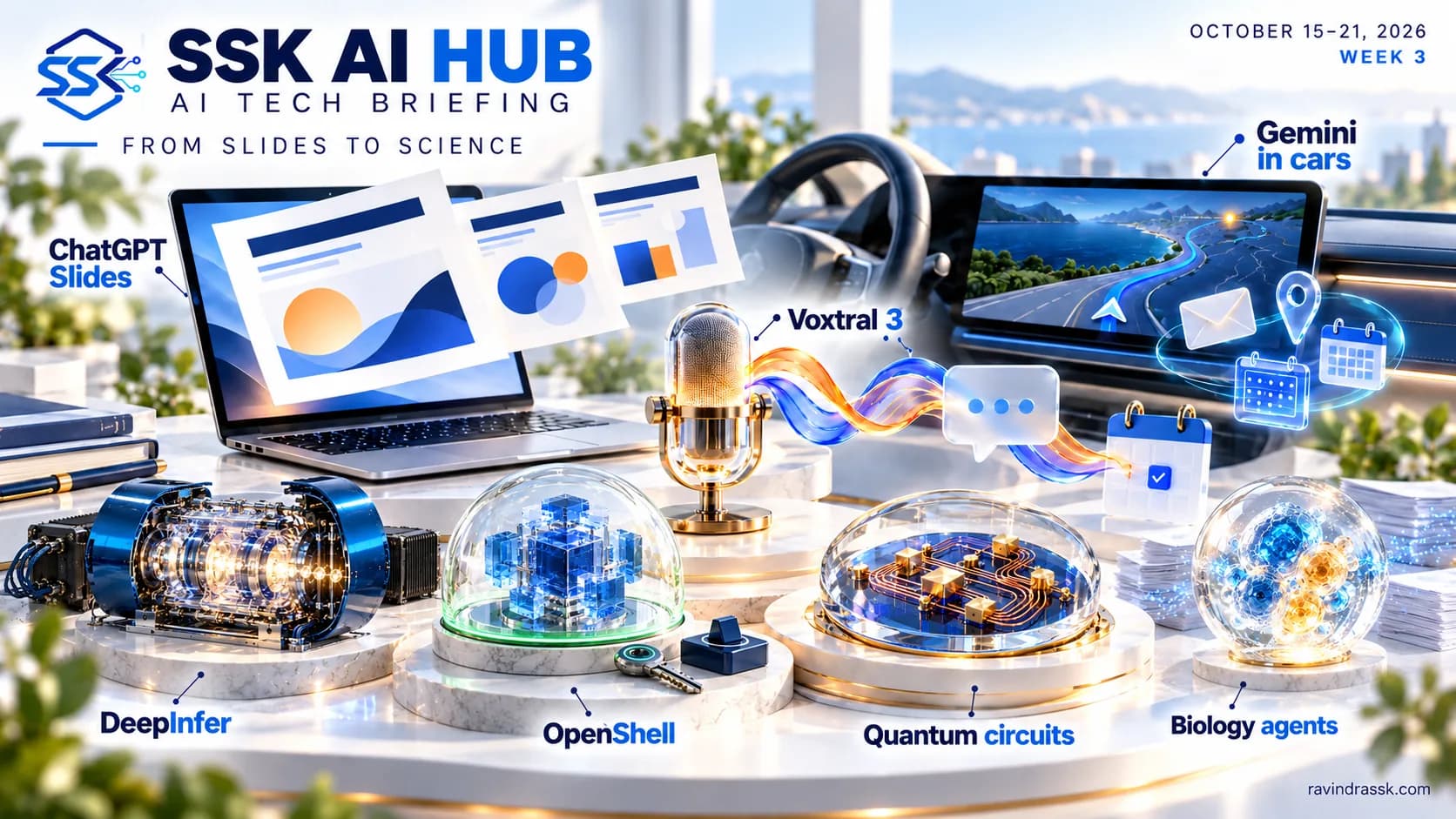
A presentation you can keep editing. A car assistant with useful context. A voice agent that can finish a task. This week brought practical tools alongside research that shows how much a good evaluator matters. Here are seven updates worth a few minutes, with one concrete question to ask about each.
Company claims stay attributed to their publishers, and rollout, eligibility, hardware and research qualifiers are kept with each story. The “Try this” suggestions are proposals, not tests we have conducted.
Source review: October 21, 2026, 5:37 p.m. in America/Chicago. The reporting window ends October 21; October 22 news is left for the next edition.
Catch up on the October 8–14 briefing, or browse every edition on the SSK AI Tech News desk.
Pick your lane
| Development | Announcement date | Lane |
|---|---|---|
| ChatGPT Slides: shared presentations | October 16 | Get work done |
| Gemini in the car: personal context | October 20 | Get work done |
| Voxtral 3: voice agents | October 20 | Make something |
| DeepInfer: open inference engine | October 20 | Make something |
| NVIDIA OpenShell: agent boundaries | October 21 | Understand the limits |
| Claude and quantum circuits: a measurable target | October 16 | Understand the limits |
| Thousands of agents on biological data | October 21 | Understand the limits |
Story 1. ChatGPT Slides puts the draft and the edits in one place

The update
OpenAI introduced ChatGPT Slides: a shared presentation workspace with direct editing, comments and real-time collaboration. Web exports include PowerPoint, PDF and Google Slides. Access is rolling out to eligible Pro, Business and Enterprise users with Space access.
Why it matters
The useful test is the second draft: can you fix a title, replace one picture and improve a chart without rebuilding the deck?
Try this
Try a three-slide project update: the problem, what changed and the next step. Check every number against your notes before presenting.
Source attribution — Story 1 — OpenAI ChatGPT Slides
Primary source: OpenAI's October 16 ChatGPT release-note entry. Access is a gradual rollout to eligible Pro, Business and Enterprise users with Space access — this edition does not imply access for every ChatGPT plan or every workspace.
Story 2. Gemini can bring your personal context into the car

The update
Google began rolling out Personal Intelligence on Android Auto, connecting chosen Google apps to tailored answers. Cars with Google built-in follow in coming months. It is opt-in for eligible personal accounts aged 18+, with regional exclusions; Workspace accounts are excluded.
Why it matters
Personal context can shorten a request. The important choice is which connected apps an assistant actually needs.
Try this
A useful trial is asking for the location of an upcoming calendar appointment. Check account eligibility and connected-app settings while parked.
Source attribution — Story 2 — Google Personal Intelligence in cars
Primary source: Google's October 20 announcement. Gemini availability in cars and the newer Personal Intelligence rollout are separate; this edition carries over the opt-in, account and regional limits, and the Android Auto-first, built-in-later timing.
Story 3. Mistral’s Voxtral 3 connects a conversation to a useful action
The update
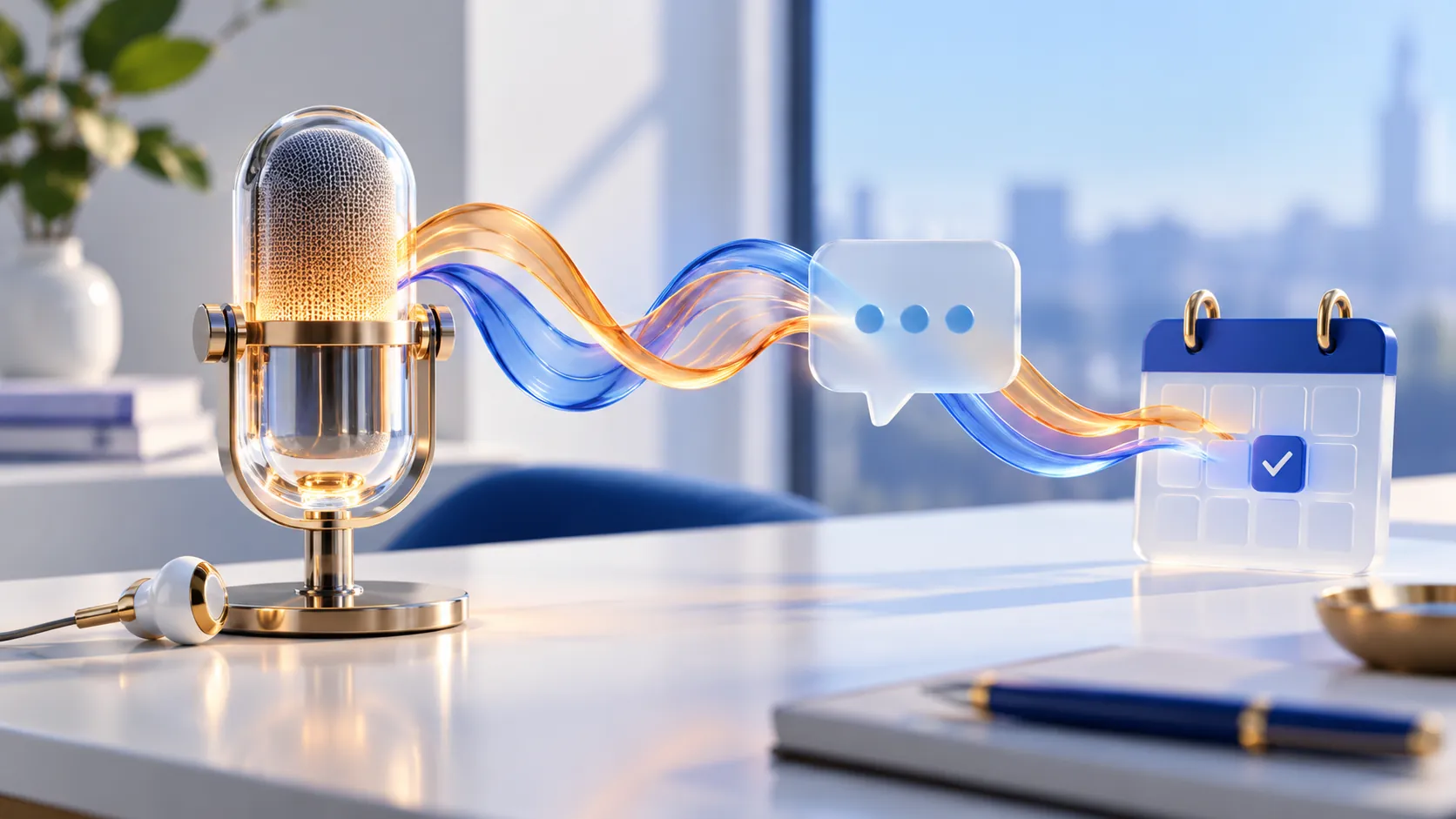
Mistral released Voxtral 3 speech models and a voice-agent SDK built on LiveKit. Its transcription models cover 50+ languages; speech generation covers 35+ languages and 50+ dialects. The pipeline connects listening, reasoning, tools and spoken replies. API access and self-deployment options are offered.
Source: Mistral: Voxtral 3
Why it matters
A pleasant voice is one part of the experience. A booking assistant also needs to hear dates correctly and recover when the caller changes the request.
Try this
Test a fictional appointment flow with a corrected name, a date change and an interruption. Measure whether the final booking is right.
Source attribution — Story 3 — Mistral Voxtral 3
Primary source: Mistral's October 20 launch post, also reflected in Mistral's model documentation. Language coverage differs by model. This edition does not call the full stack freely downloadable and does not adopt any independently unverified latency claim.
Story 4. DeepSeek opens the engine behind its inference service
The update
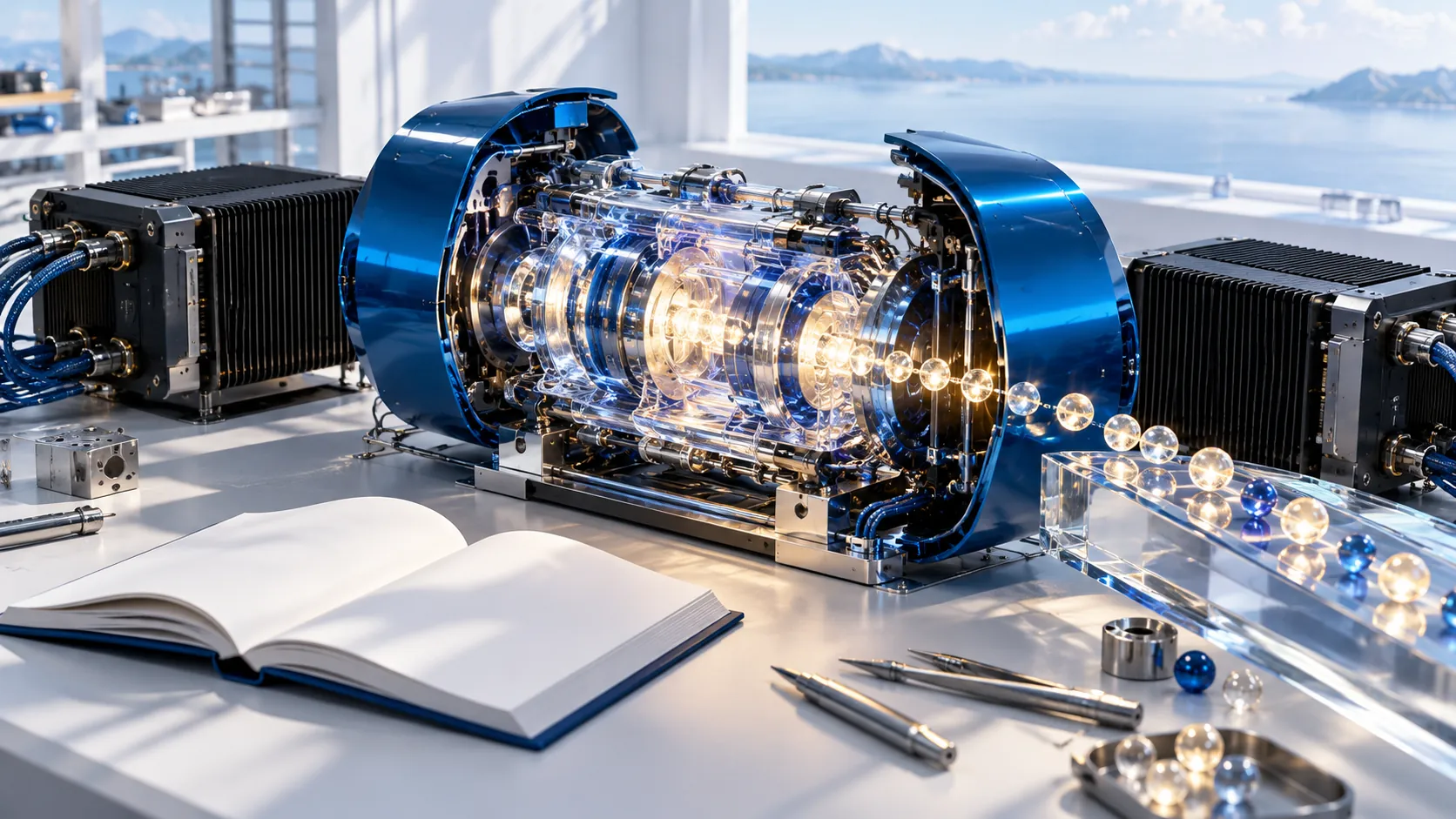
DeepSeek open-sourced DeepInfer under Apache 2.0. The public engine supports offline inference for DeepSeek-V4.1-Flash on NVIDIA SM100 GPUs or Huawei Ascend 950 NPUs. The repository explicitly lists missing service components, including a KV-cache system and load balancing across replicas.
Source: DeepSeek: DeepInfer repository
Why it matters
Open source creates something to inspect and extend. Running the engine as a dependable service still takes infrastructure work.
Try this
Before planning a deployment, write down the supported accelerator, model and missing service pieces. Compare that list with your actual compute access.
Source attribution — Story 4 — DeepSeek DeepInfer
Primary source: the official DeepInfer repository, which confirms the scope and the Apache-2.0 licence. DeepSeek's public announcement on October 20 is corroborated by contemporaneous reporting; the repository creation date is not the public launch date. No vendor throughput claim is adopted.
Story 5. NVIDIA OpenShell gives agent boundaries a place in the infrastructure

The update
NVIDIA announced the OpenShell Reference Architecture at GTC Berlin. It combines its agent runtime with Vera Rubin inference infrastructure, Vera CPUs for agent harnesses, and BlueField-4 running Sentry for monitoring and policy enforcement. NVIDIA says the reference architecture is available.
Why it matters
An agent’s permissions need enforcement outside the model. An instruction in a prompt is only one layer of control.
Try this
For a file-organizing agent, define an allowed folder, a blocked folder and a stop action. Check that the runtime enforces each boundary.
Source attribution — Story 5 — NVIDIA OpenShell Reference Architecture
Primary source: NVIDIA's October 21 architecture announcement. The OpenShell runtime existed earlier; this is its reference-architecture expansion. Availability is vendor-stated, not proof of every partner integration.
Story 6. Claude helps redesign quantum circuits with a measurable target

The update
Anthropic studied Claude-designed circuits for eight quantum-computing routines. Automated evaluators checked proposals and scored resource use. One highlighted decoder design used about 12 times fewer gates than its comparison design. These are circuit-design results and resource estimates, rather than demonstrations on quantum hardware.
Source: Anthropic: Designing more efficient quantum circuits with Claude
Why it matters
The transferable idea is a tight feedback loop: propose a change, check correctness and score the cost. Clear evaluators make ambitious searches easier to assess.
Try this
For a small coding project, keep the test cases fixed and optimize runtime or memory only after checking that outputs still match.
Source attribution — Story 6 — Anthropic quantum-circuit research
Primary source: Anthropic's October 16 research publication. The roughly 12× figure refers to one decoder comparison, not all tasks or an end-to-end quantum speedup. Results are circuit designs and resource estimates, not quantum-hardware runs; human setup and occasional research prompting remain relevant.
Story 7. Thousands of agents help researchers choose what to investigate next

The update
OpenAI, PerturbAI and Scripps Research reported using thousands of GPT-Rosalind agents to interpret existing data from millions of mouse brain cells. Agents linked gene-disruption effects with literature and combined their reports into a reasoning atlas. Proposed biological mechanisms still need experimental testing.
Source: OpenAI: Scaling AI research for complex biological data
Why it matters
More analysis can produce more candidate questions. The valuable output is a lead that a scientist can inspect and test.
Try this
In a literature project, try dividing a topic into narrow questions, require a source for every claim, then review contradictions before merging the reports.
Source attribution — Story 7 — OpenAI, PerturbAI and Scripps Research biological-data report
Primary source: OpenAI's October 21 report. Existing mouse-cell data were analyzed; this is not evidence of a proven treatment or autonomous clinical discovery, and no clinical or wet-lab validation is implied.
One small experiment: can your agent recover from a change?
Use a fictional appointment-booking task. Ask for Tuesday at 3 p.m., correct it to Wednesday, then change the name. Define the final expected booking before you start.
Run five trials. Record the final date, name and time; any unintended action; elapsed time; and token/API usage if your tool exposes it. A natural conversation is useful only if the final task is right. This is a proposed learning exercise, not a benchmark result or a test we ran for this briefing.
Which would you try first?
Tell us your pick and the first thing you would test. Follow SSK AI Hub — AI Tech Briefing for the next edition.
Sources & Verification
Story 1 — OpenAI ChatGPT Slides
Primary source: OpenAI's October 16 ChatGPT release-note entry. Access is a gradual rollout to eligible Pro, Business and Enterprise users with Space access — this edition does not imply access for every ChatGPT plan or every workspace.
Story 2 — Google Personal Intelligence in cars
Primary source: Google's October 20 announcement. Gemini availability in cars and the newer Personal Intelligence rollout are separate; this edition carries over the opt-in, account and regional limits, and the Android Auto-first, built-in-later timing.
Story 3 — Mistral Voxtral 3
Primary source: Mistral's October 20 launch post, also reflected in Mistral's model documentation. Language coverage differs by model. This edition does not call the full stack freely downloadable and does not adopt any independently unverified latency claim.
Story 4 — DeepSeek DeepInfer
Primary source: the official DeepInfer repository, which confirms the scope and the Apache-2.0 licence. DeepSeek's public announcement on October 20 is corroborated by contemporaneous reporting; the repository creation date is not the public launch date. No vendor throughput claim is adopted.
Story 5 — NVIDIA OpenShell Reference Architecture
Primary source: NVIDIA's October 21 architecture announcement. The OpenShell runtime existed earlier; this is its reference-architecture expansion. Availability is vendor-stated, not proof of every partner integration.
Story 6 — Anthropic quantum-circuit research
Primary source: Anthropic's October 16 research publication. The roughly 12× figure refers to one decoder comparison, not all tasks or an end-to-end quantum speedup. Results are circuit designs and resource estimates, not quantum-hardware runs; human setup and occasional research prompting remain relevant.
Story 7 — OpenAI, PerturbAI and Scripps Research biological-data report
Primary source: OpenAI's October 21 report. Existing mouse-cell data were analyzed; this is not evidence of a proven treatment or autonomous clinical discovery, and no clinical or wet-lab validation is implied.
Source review: October 21, 2026, 5:37 p.m. America/Chicago, against each story's primary source. This is a curated briefing of seven stories, not a complete launch calendar, and the reporting day was still open when the review was made. Vendor capability descriptions are not independent measurements; the “Try this” suggestions, the five-trial exercise and the reader prompt are editorial proposals. Earlier October 8–14 launches are not repeated as new releases. Corporate financing, rumors and unverified speed comparisons were omitted on purpose. The illustrations are original AI-generated editorial concepts, not product screenshots or measured results.
Get the next SSK AI Hub briefing directly on LinkedIn.
Subscribe on LinkedIn (opens in a new tab)